
Installing a new roof is one of the most important investments you’ll make in your home. Whether you’re replacing an aging roof or installing roofing on a newly constructed property, understanding the costs involved can help you budget more effectively and avoid unexpected expenses.
In 2026, the average new roof installation cost ranges between $6,000 and $16,000, although premium materials, complex roof designs, and larger homes can push costs significantly higher.
At Flat Roof Company, we believe homeowners should understand exactly what affects roofing prices before making a decision. This guide explains the major factors that influence roof installation costs and how to get the best value for your investment.
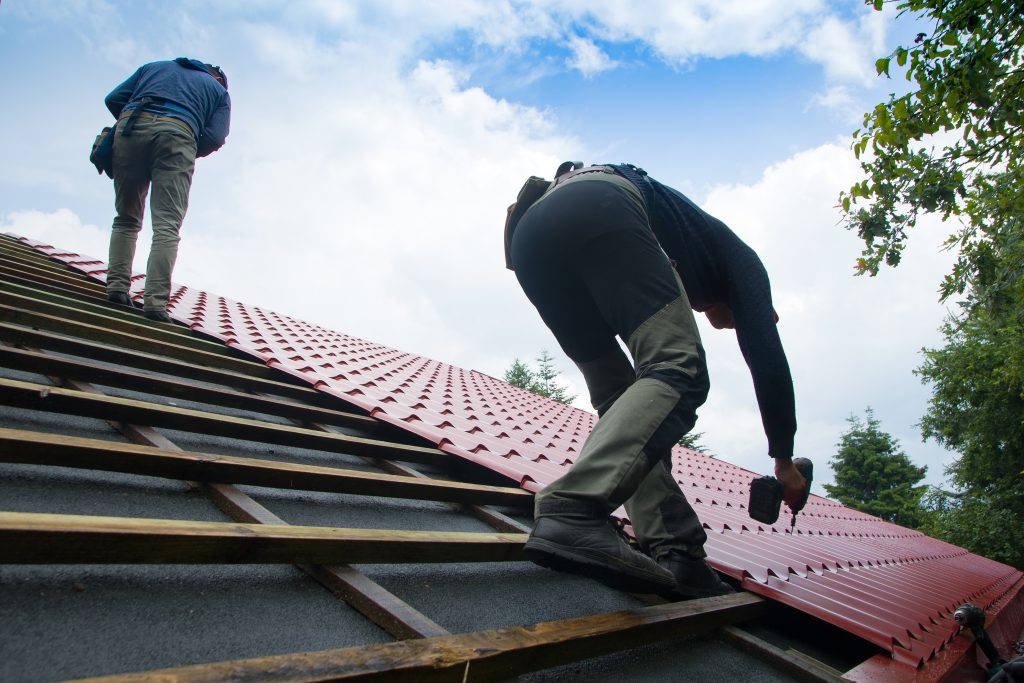
Average New Roof Installation Cost in 2026
Roof installation costs vary depending on your home’s size, roofing material, labor, and location.
Average price ranges include:
| Roofing Material | Average Cost per Sq. Ft. |
|---|---|
| Asphalt Shingles | $4 – $7 |
| Architectural Shingles | $6 – $10 |
| Metal Roofing | $9 – $16+ |
| Wood Shake | $7 – $14 |
| Clay or Concrete Tile | $10 – $25 |
| Slate Roofing | $12 – $30+ |
| Composite Roofing | $7 – $15 |
Although asphalt shingles remain the most affordable option, premium roofing materials typically provide longer lifespans and better durability.
1. Roofing Material Has the Biggest Impact
The roofing material you choose is usually the largest factor affecting your total project cost.
Popular options include:
Asphalt Shingles
- Affordable
- Easy installation
- 20–30 year lifespan
- Most popular residential roofing option
Metal Roofing
- Highly durable
- Energy-efficient
- Low maintenance
- 40–70-year lifespan
Slate Roofing
- Premium appearance
- Extremely durable
- Fire resistant
- 75–100+ year lifespan
Tile Roofing
- Excellent for warm climates
- Long-lasting
- Weather resistant
- Heavier than other roofing materials
Each material offers different benefits depending on your budget and long-term goals.
2. Labor Costs
Professional roofing installation requires skilled workmanship.
Labor costs generally range from $1.50 to $10+ per square foot, depending on:
- Contractor experience
- Roof complexity
- Local labor rates
- Safety requirements
Hiring experienced roofing contractors often costs more initially but helps reduce the risk of installation problems later.
3. Where You Live Matters
Roof installation costs vary considerably by location.
Factors include:
- Local labor rates
- Material availability
- Building codes
- Transportation costs
- Cost of living
Homes in large metropolitan areas often have higher roofing costs than properties in smaller communities.
4. Roof Size and Design
Larger roofs naturally require:
- More materials
- More labor
- More installation time
Complex roof designs also increase costs.
Features that raise installation expenses include:
- Multiple roof valleys
- Steep slopes
- Skylights
- Chimneys
- Dormers
- Complex rooflines
Simple roof designs are generally less expensive to install.
5. Roof Removal (Tear-Off)
If you’re replacing an existing roof, contractors must first remove and dispose of the old roofing materials.
Additional tear-off costs typically range between $1 and $5 per square foot, depending on:
- Number of existing roofing layers
- Material type
- Disposal fees
New construction projects avoid these removal costs.
6. Building Permits
Most municipalities require permits before installing a new roof.
Permit costs generally range from $100 to $500, depending on:
- Local regulations
- Project size
- Inspection requirements
Your roofing contractor usually handles the permitting process.
7. Emergency Roof Installation
Storm damage or severe roof leaks may require immediate replacement.
Emergency projects often cost more because of:
- After-hours labor
- Material availability
- Temporary weather protection
- Scheduling priority
Planning your roof replacement before problems become emergencies can reduce overall costs.
8. Additional Roofing Upgrades
Many homeowners choose to upgrade other exterior components while replacing their roof.
Common upgrades include:
- Gutters
- Roof vents
- Flashing
- Underlayment
- Skylights
- Insulation
Bundling these improvements into one project can be more cost-effective than completing them separately.
9. Time of Year
Roofing prices fluctuate throughout the year.
Peak roofing season usually runs from:
- Late spring
- Summer
- Early fall
During these months, contractor demand is highest.
Scheduling installation during slower seasons may provide:
- Better availability
- Faster scheduling
- Potential discounts
10. Choosing the Right Roofing Contractor
The lowest estimate isn’t always the best value.
Before hiring a contractor, verify:
- Proper licensing
- Insurance coverage
- Manufacturer certifications
- Customer reviews
- Warranty options
- Local experience
A quality installation protects your investment for decades.
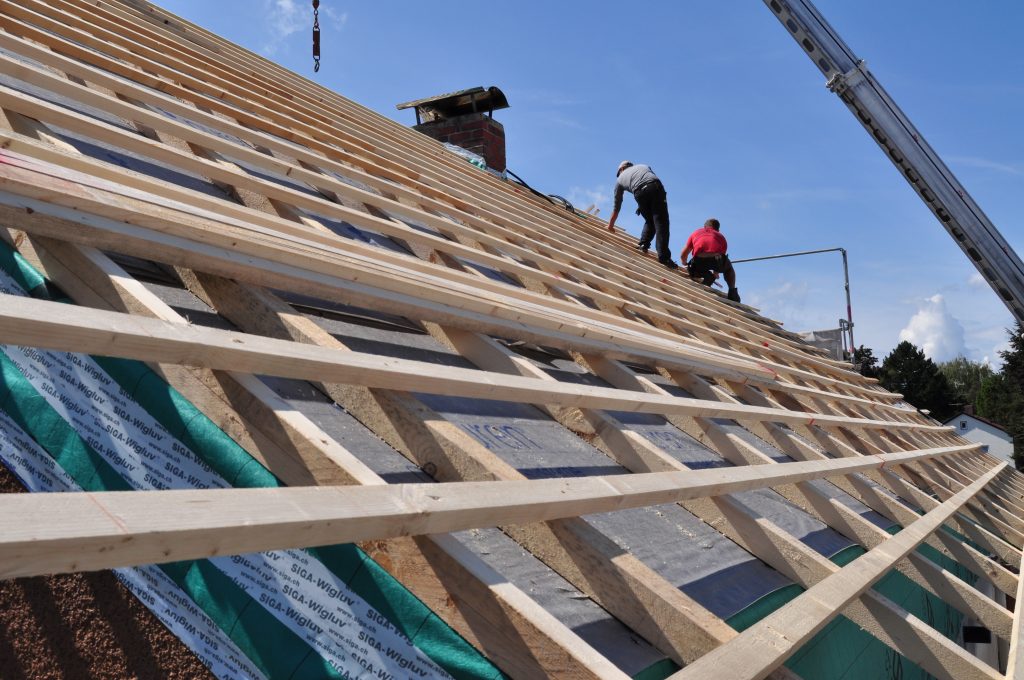
Ways to Save Money on a New Roof
You don’t necessarily have to choose the cheapest roofing material to stay within budget.
Consider these money-saving tips:
- Compare multiple estimates.
- Replace your roof before severe damage develops.
- Schedule work during slower seasons.
- Choose durable materials with lower maintenance costs.
- Ask about financing options.
- Review manufacturer warranties carefully.
Long-term value is often more important than the lowest initial price.
Why Choose Flat Roof Company?
Flat Roof Company provides professional residential roofing solutions designed for long-lasting performance.
Our services include:
- New roof installation
- Roof replacement
- Flat roofing
- Asphalt shingles
- Metal roofing
- Roof inspections
- Roof repairs
- Emergency roofing services
Our experienced team delivers quality workmanship, honest pricing, and dependable customer service from start to finish.
Final Thoughts
A new roof is one of the smartest investments you can make in your property. While the average installation cost in 2026 ranges from $6,000 to $16,000, the final price depends on your roofing material, roof size, labor costs, design complexity, and location.
Working with an experienced roofing contractor ensures your new roof is installed correctly, helping protect your home while maximizing its value for years to come.
If you’re planning a roofing project, contact Flat Roof Company today for a professional inspection and personalized estimate.
Frequently Asked Questions
1. What factors affect how long a roof installation takes?
Roof installation timelines depend on weather conditions, roof size, material availability, roof complexity, and the contractor’s schedule. Most residential roof installations are completed within one to three days.
2. How do I choose the right roofing contractor?
Look for licensed and insured contractors with positive customer reviews, local experience, manufacturer certifications, and written warranties. Always compare multiple estimates before making your decision.
3. What roofing materials are most popular today?
Asphalt shingles remain the most common roofing material because they’re affordable and durable. Metal roofing and synthetic roofing systems are also growing in popularity due to their longevity, energy efficiency, and low maintenance requirements.
4. Is it better to repair or replace an old roof?
If your roof has widespread damage, frequent leaks, or is nearing the end of its expected lifespan, replacing it is often more cost-effective than making repeated repairs.
5. How long does a new roof typically last?
The lifespan depends on the roofing material. Asphalt shingles usually last 20–30 years, metal roofs 40–70 years, and slate roofs can last over 100 years with proper maintenance.