Common residential roofing problems include damaged shingles, leaks, flashing failure, clogged gutters, mold and poor ventilation. Flat roof issues revolve around water pooling, membrane blisters and material shrinkage. Problems of metal roofing for homes include worn fasteners, corrosion, stressed panels and condensation buildup. Flat Roof Company offers compliant and customized solutions matching your budget, structure and aesthetic needs.
Damaged Shingles
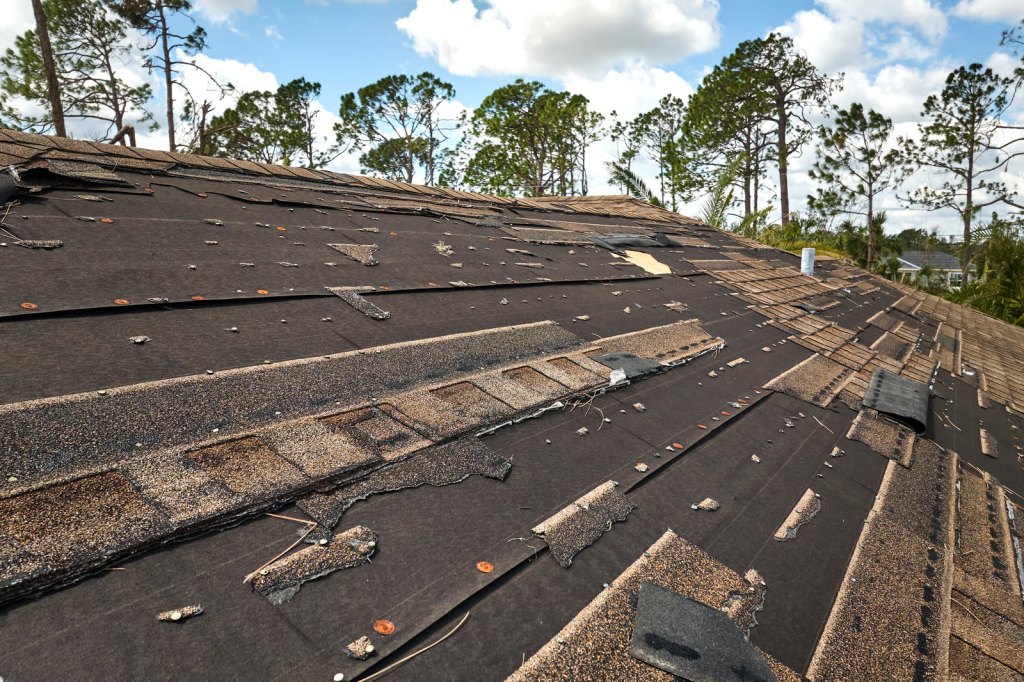
High winds, severe coastal storms and heavy winter ice in NewYork crack, warp or blow away asphalt shingle roofing. Missing roof shingles expose the deck and underlayment, making it vulnerable to leaks and further deterioration.
Perform regular visual roof inspections. Look for bare patches or curling edges. Schedule annual inspections to protect your structure and investment.
Roof Leaks
Roof leaks start small, even from a popped nail but can end up in residential roof replacement if left unaddressed. Look for damaged flashing around chimneys, worn pipe boots or cracked vent seals.
Timely roof leak repair prevents wood frame rot, ruined insulation or water seepage in the attic. Schedule annual inspections and after every storm to trace hidden moisture channels before it leads to a roof collapse.
Flashing Failures
Rust, loose nails or extreme temperature changes cause metal strips to loosen or warp. Open up gaps around chimneys, skylights or vents make room for water infiltration. Look for deteriorated sealant, rust or corrosion.
Schedule regular residential roof repairs to create tight seals that prevent wood rot, mold growth, ruined insulation and structural damage.
Mold or Mildew
Hidden moisture issues, gutter failures and structural flaws like poor ventilation and insulation cause mold and mildew. Look for dark streaks or fuzzy patches, musty odors or interior water stains. Trim tree branches.
Work with a roofing contractor for homes to detect minor leaks. Delaying can turn a simple patch into a full roof and decking replacement.
Clogged Gutters
Debris, roof grit, pests or poor roof pitch all can cause clogged gutters. Overflowing water rots roof edges, stains siding and leads to basement leaks and foundation damage.
Regular roof maintenance prevents fascia board rot, ice dams and foundation cracks.
Poor Ventilation
Trapped heat and moisture in your attic ends up causing severe structural damage. Signs of poor attic ventilation include ice dams, high energy bills, buckling shingles, rust and mold with musty odors.
Causes of poor ventilation include
- Blocked soffit and exhaust vents
- No vents balance
- Undersized vents
- Bathroom/kichen vents venting into the attic
Water Pooling
Water pooling on a flat roof for more than 48 hours means leaks and serious damage. Common causes include poor drainage, incorrect slope, clogged or high scuppers, warped membrane or heavy equipment weight
Immediate storm damage roof repairs prevent rust and corrosion and small leaks from turning into expensive structural problems.
Membrane Blisters
Raised bubbles caused by trapped moisture expand under the sun’s heat, causing spongy textures, cracks, or widespread bubbling.
Causes that lead to expensive repairs include
- Trapped moisture during installation
- Poor adhesion or uneven application
- Thermal shock and relentless UV exposure
- Ignored roof ruptures that open a path for rainwater and rot
Material Shrinkage
EPDM or PVC slowly contract and lose their dimensions over time. Common signs include wrinkling, cracking, pulled flashing or rigid, tent-like ridges. This mechanical tension leads to severe structural vulnerabilities and costly repairs.
Causes of membrane shrinkage
- Continuous UV exposure
- Extreme daily and seasonal temperature swings
- Improper installation
- Incompatible materials (wrong adhesives, mastics or patch components that restrict natural membrane movement)
Metal Roofing Problems
- Worn Fasteners (fasteners crack every 12 to 15 years)
- Failed flashing and sealants
- Condensation buildup under metal panels
- Oil canning and stressed metal panels due to improper installation
- Galvanic corrosion: Mixing incompatible metals, like a steel screw on aluminum, eats away at the material.
Choosing the Right Roofing Material
Residential Roofing materials should be selected based on the home’s design, expected lifespan, maintenance needs and local weather conditions. Asphalt shingles may suit homeowners looking for a practical option, while metal roofing can provide long-term durability with proper installation. For low-slope structures, homeowners can also explore specialized systems through Flat Roofing Services in Delaware. Choosing a suitable material at the beginning can reduce premature replacement needs and make future roof maintenance easier.
Warning Signs During a Home Sale or Renovation
Roof condition is also important when buying, selling or renovating a home. A roof that looks acceptable from the ground may still have aging materials, previous repair work or installation defects that affect its remaining service life. A professional roof inspection can provide a clearer picture of the roof’s condition before a major property decision is made. Checking the roof before renovations can also help homeowners plan for potential residential roof repair costs instead of discovering unexpected problems after other work has already started.
Conclusion
Fixing elements or storm damage on your roof right away lowers repair costs and extends the roof’s lifespan. Cracked shingles, missing flashing, worn fasteners or damaged membranes- roofing problems start small, yet cause costly water damage and expensive repairs if left unaddressed.
Flat Roof Company ensures all repairs and replacements meet local guidelines, code compliance and long-term performance expectations, protecting your home’s resale value.
FAQs
Where do roof leaks start?
Roof leaks usually start at penetrations where different materials and joints intersect rather than in the middle of an open healthy roof slope. Common trouble spots are roof seams, flashing, valleys or missing shingles.
What damages a residential roof the most?
Water and moisture intrusion driven by severe weather conditions such as high winds, hail, and storms causes the most damage to residential roofs. Sun rays degrade roofing materials while poor ventilation bakes the shingles from underneath.
What are the most common causes of a flat roof failure?
Ponding water that remains on the roof for more than 48 hours is the most common cause of a flat roof failure. It breaks down the waterproof layers and adds heavy weight to the structure.
What is the best way to extend the life of a residential roof?
Regular inspections, prompt repairs, proper attic ventilation and keeping the roof and drainage system clear can help extend its service life. Addressing minor wear before it develops into a larger problem can also reduce the need for premature replacement.
When should a homeowner consider replacing a roof?
A roof may need replacement when it has reached the end of its expected service life, shows widespread deterioration, or requires frequent repairs. A professional assessment can help determine whether repairing the existing roof is practical or whether a full replacement would provide better long-term value.