The roof over your commercial property can help you maintain a safe workplace for your employees and attract potential clients. It doesn’t matter whether you own or manage a commercial building; it is crucial to make the right decision for TPO vs EPDM roofing. Flat Roof Company can provide you with all the information you need about TPO vs EPDM vs silicone roofing.
The first thing that everyone must realize is that choosing the wrong roofing system can lead to some serious issues down the line. It can increase the energy consumption of your property and trigger repeated repairs that can cost you a lot of money in the long run.
Why Understanding TPO vs EPDM Roofing Is Crucial?
One of the most common mistakes that many people often make is thinking that every roofing system can handle daily challenges. You may not even realize it now, but if your roofing material is not suitable for your local climate, it can shorten the lifespan of your entire structure. Let’s try to discuss both of these systems in detail:
TPO Roofing Systems:
The first thing that you should know about this type of roof is that it is a single-ply membrane that is often used for commercial buildings. If your primary focus is to reduce your energy bills, then it is your ideal choice, as it can reflect heat.
EPDM Roofing Systems:
It is a synthetic rubber membrane that can withstand cold weather and offer flexibility. It is your ideal choice to handle temperature variations and is also easy to patch.
How Silicone Roofing Handles Ponding Water
One important factor to consider with Silicone Roofing is how it performs when water remains on the roof after heavy rainfall. Commercial buildings with low-slope roofs can sometimes experience drainage issues, and standing water can place additional stress on the existing roofing system. Silicone coatings are commonly used as a roof restoration option because they create a seamless waterproof layer across the existing surface. However, coating the roof does not correct major drainage or structural problems, so the existing roof should be properly evaluated before installation.
How Can Silicone Roof Coatings Save You Money?
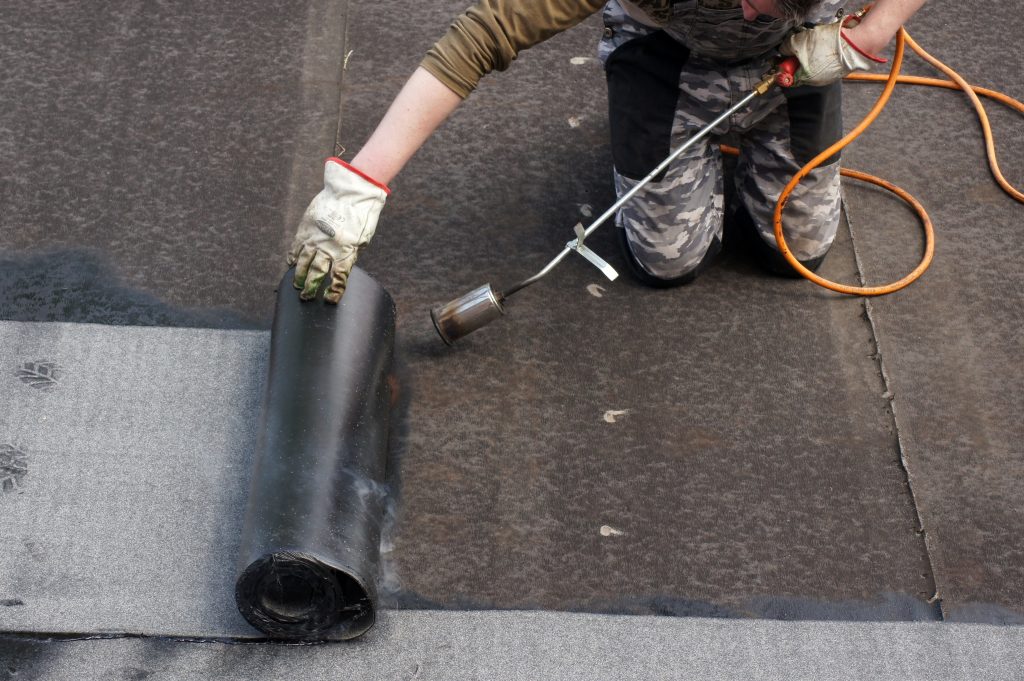
Whenever a commercial roof gets damaged, the first thing that comes to the minds of business owners is getting a new flat roof membrane installed. You should know that it might not even be necessary, as a liquid silicone layer over your existing flat roof might be able to restore its efficiency and durability.
This way you can avoid the expensive tear-off of your old roof, which can also save you a fortune. Here is a simple comparison of these three options that can help you decide which option best fits your needs:
| Factors | TPO Roofing | EPDM Roofing | Silicone Coating |
| Average cost | $5 to $12 per square foot | $4 to $10 per square foot | $3 to $7 per square foot |
| Estimated lifespan | 15 to 25 years | 25 to 35+ years | 10 to 20 years |
| Best for | Warm-weather cooling savings | Cold climates, affordability | Roof restoration, waterproof barrier |
When Roof Restoration Makes More Sense Than Replacement
Not every aging commercial roof needs to be completely removed. If the existing roofing membrane is still structurally sound but showing signs of weathering, surface deterioration, or minor leaks, a roof restoration system may be worth considering. Silicone Roofing can extend the useful life of certain existing roofing systems while reducing the amount of tear-off and roofing waste involved in a complete replacement. A professional inspection should determine whether restoration is appropriate or whether the building would be better served by a complete Roof Replacement.
Factors to Consider Before Choosing Commercial Flat Roofing Systems
It is not a smart decision to dive straight into your roofing project without any knowledge of how this process works. This can often lead to unnecessary delays and different inconveniences during the installation process. If you want to ensure a smooth workflow, then there are a few things that you should do before the practical work begins, such as:
- Set a realistic budget
- Assess local climate conditions
- Condition of your existing roof
- Expected lifespan of the new roof
- Your maintenance goals
This can help you invest in a roofing system that you will enjoy for a long time while staying within your budget.
What to Check Before Applying a Silicone Roof Coating
Before choosing a silicone coating, the condition of the existing roof should be carefully evaluated. Moisture trapped beneath the membrane, damaged insulation, loose materials, severe deterioration, and unresolved leaks can affect the performance of a new coating. A roofing professional should inspect the substrate, seams, flashing, penetrations, and drainage areas before recommending a silicone roof coating. Proper surface preparation is also important because cleaning, repairs, and primer requirements can affect how well the coating adheres and performs over time.
Importance of Working with a Commercial Roofing Contractor
The roof over your commercial property is your primary shield against the harsh weather, and even small mistakes in the flat roof installation, repairs, or replacement can do more harm than good. To prevent this from happening, your ideal choice is to hire skilled roofers for this crucial task for a roof that can withstand the test of time.
Conclusion:
It can be very stressful to select the best roofing material for commercial buildings, as both the TOP and EPDM roofing systems are widely used. What you can do is assess the climate conditions, your building type, and hire professionals. You can contact Flat Roof Company to invest in a roof that looks good and can also handle daily challenges for years to come.
FAQs
Which flat roofing system is best for my commercial building?
It depends on the climate conditions in your neighborhood, as TPO is ideal for warm weather while EPDM is best for cold climates.
Is EPDM roofing more affordable than TPO?
Yes, EPDM is more affordable, but TPO is more durable, as it can resist UV rays and reflect heat.
Is silicone roof coating suitable for every building?
It is not suitable for every building, as it can be slippery, making it unsafe for a high-traffic roof.
Which flat roof requires the least maintenance?
TPO requires less long-term maintenance than EPDM, as it uses heat-welded seams and offers heat resistance.
What is the average commercial flat roof lifespan?
The average lifespan of a commercial roof ranges from 10 to 30 years, depending on the local weather.