Homeowners need to consider replacing a flat roof, and this is a very valuable investment that they can make. The correct material can help to avoid leaks, save energy and save repair expenses in the future. Flat Roof Company will educate homeowners on roofing alternatives and appropriate roofing solutions for the home. There are many types of membranes available, ranging from rubber to metal, with their own advantages and disadvantages. You can make a good comparison between the cost, life and maintenance of the various roof types to find an appropriate replacement for your flat roof.
Flat Roof Replacement Options: Comparing the Best Roofing Materials
The type of roofing material used will vary in protection, durability and energy efficiency. By knowing what they offer the most, you can be sure to select one to fit your home, budget, and climate.
TPO Roofing
A widely used flat roofing material with reflective surface to minimize heat absorption is TPO. The waterproofing is guaranteed by its heat-welded seams. Provides a decent combination of cost, energy use and durability in homes.
EPDM Rubber Roofing
EPDM is a flexible rubber membrane which can deal with temperature variations and daily weather. Often it is affordable and fits on garages and house extensions. However, it has a black surface which absorbs sunlight and may lead to more heat absorption.
PVC Roofing
PVC roofing is highly moisture, chemical and grease resistant. It is leak-proof due to its welded seams and can withstand for a long term. It will typically be more expensive than other membranes, but may be a good option in tough roof applications.
Modified Bitumen Roofing
In modified bitumen, different layers of materials composed of asphalt are used to form a waterproof surface. It is ideal for garages, extensions and small flat roofs. On a regular basis, cracks, faulty seams and other problems can be picked up before they become a serious repair problem.
Built-Up Roofing
Built-up roofing is a combination of bitumen and reinforcing materials, providing additional protection. Depending on the system, there may be gravel or a protective coating. The material is tough but may be heavy and needs professional installation to ensure that the building is able to support the weight.
Spray Foam Roofing
Spray polyurethane foam forms a continuous surface which helps to repel water and enhance insulation. Also supports unusual roof shapes. It needs to be maintained periodically to maintain the protective coating, however, to keep it from being affected by weather and sunlight.
Standing Seam Metal Roofing
With a standing seam metal roofing, water is directed away from problem areas by interlocking panels with raised seams. With proper installation, can be used for decades. But, the installation is costlier and the slope of the roof should be compatible with the system.
Reflective Roof Coatings
Reflective coatings work by minimizing heat absorption and will help to protect some of the existing roofing materials. Can provide a long life for roofs over an existing structure. They can’t, however, make large repairs or replace a leaky waterproofing system.
Factors to Consider Before Replacing a Flat Roof
The decision for the most appropriate material isn’t one based on cost only. To determine which roofing system is the most cost effective, you need to consider your property, local climate and long-term maintenance requirements.
Installation Budget
Look at the total cost of installation (including labor, old roof removal, insulation and drainage improvements). Initially the cheaper material might save you money, but maintenance costs and anticipated life should also be taken into consideration.
Weather Resistance
White TPO can be used for the roof in hot climates to minimize heat absorption. EPDM is able to be flexible during changes in temperature. When comparing roofing materials be sure to take into account the seasonal temperatures, wind speed, sun exposure, and rainfall of your area.
Expected Lifespan
Depending on material, installation and maintenance, many quality flat roofing systems can be expected to last about 20-30 years. Inquire with your contractor on the estimated lifespan, warranties, and factors that may impact long term use.
The quality of drainage and installation
Even good quality roofing materials can be harmed by standing water. Roof slope, roof drains, roof flashing and roof seams should be checked by a professional contractor prior to installation. With proper drainage and workmanship, leaks are eliminated and your home’s structure is protected.
How to Prepare Your Home Before a Flat Roof Replacement
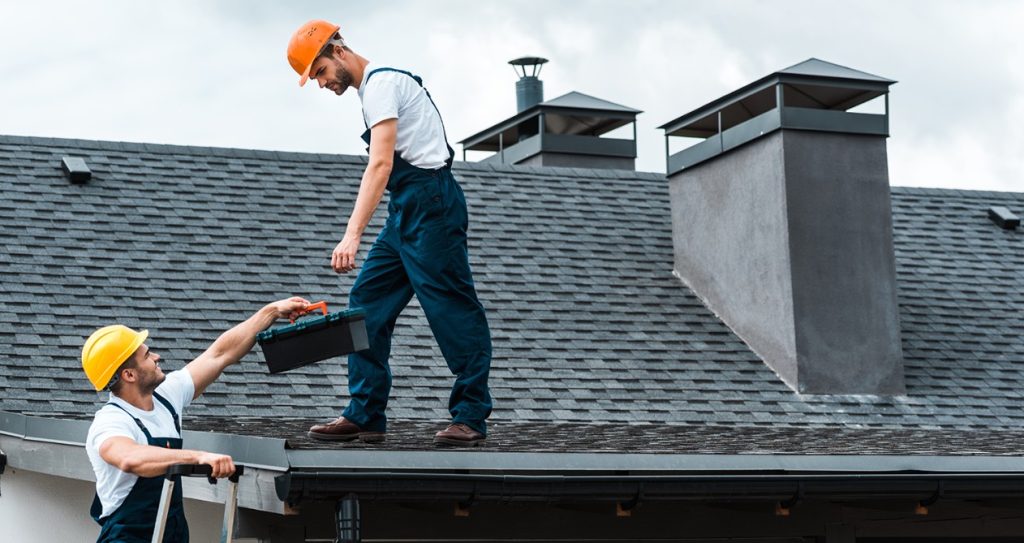
Before starting a flat roof replacement, homeowners should prepare the property to make the work easier and avoid unnecessary delays. Move outdoor furniture, cover items stored in areas directly below the roof, and make sure contractors have clear access to the work area. It is also important to discuss noise, debris removal, and the expected project schedule before installation begins. A reliable contractor can explain each stage and help you understand what to expect. For assistance with your roofing project, explore Flat Roofing Services in Delaware.
Conclusion
Choosing the best flat roof replacement will be based on your budget, property and weather. TPO and EPDM both have advantages and disadvantages, with TPO being a good energy efficient material in terms of value, and EPDM being flexible and low cost. PVC suits harsh environments and modified bitumen is suitable for smaller roof areas. Make a cost benefit analysis before choosing installing, maintenance, and life expectancy. An experienced roofing company can take a look at your roof and tell you which roofing system is right for your home and that will protect it for years.
FAQs
Is TPO a better roofing material for flat roofs than EPDM?
TPO reflects sunlight, EPDM can be less expensive with the purchase.
Are you able to install shingle on a flat roof?
The slopes for drainage of traditional shingles are typically steeper.
When installing a new roof on a flat roof, can we do it without removing everything?
Depending on the condition of the roof and building requirements, in some instances.
When should a flat roof be replaced?
Replace a flat roof when it has frequent leaks, major membrane damage, or recurring repair issues.
How long does flat roof replacement take?
Most flat roof replacements take a few days, depending on roof size, materials, and weather.